
From the Capital Ledger to the Turbine Floor: Preparing for Canada’s Next Wave of Energy Projects
Look at the federal government’s 2025 inventory of major energy projects and the scale of what is being built and proposed across Canada jumps off the page. In that 2025 snapshot, reported in the Fall 2026 Energy Fact Book, 113 major energy projects representing $132 billion in total value were under construction. Alongside them stood 205 planned projects (announced, under review, or approved), carrying a combined value of $378 billion.
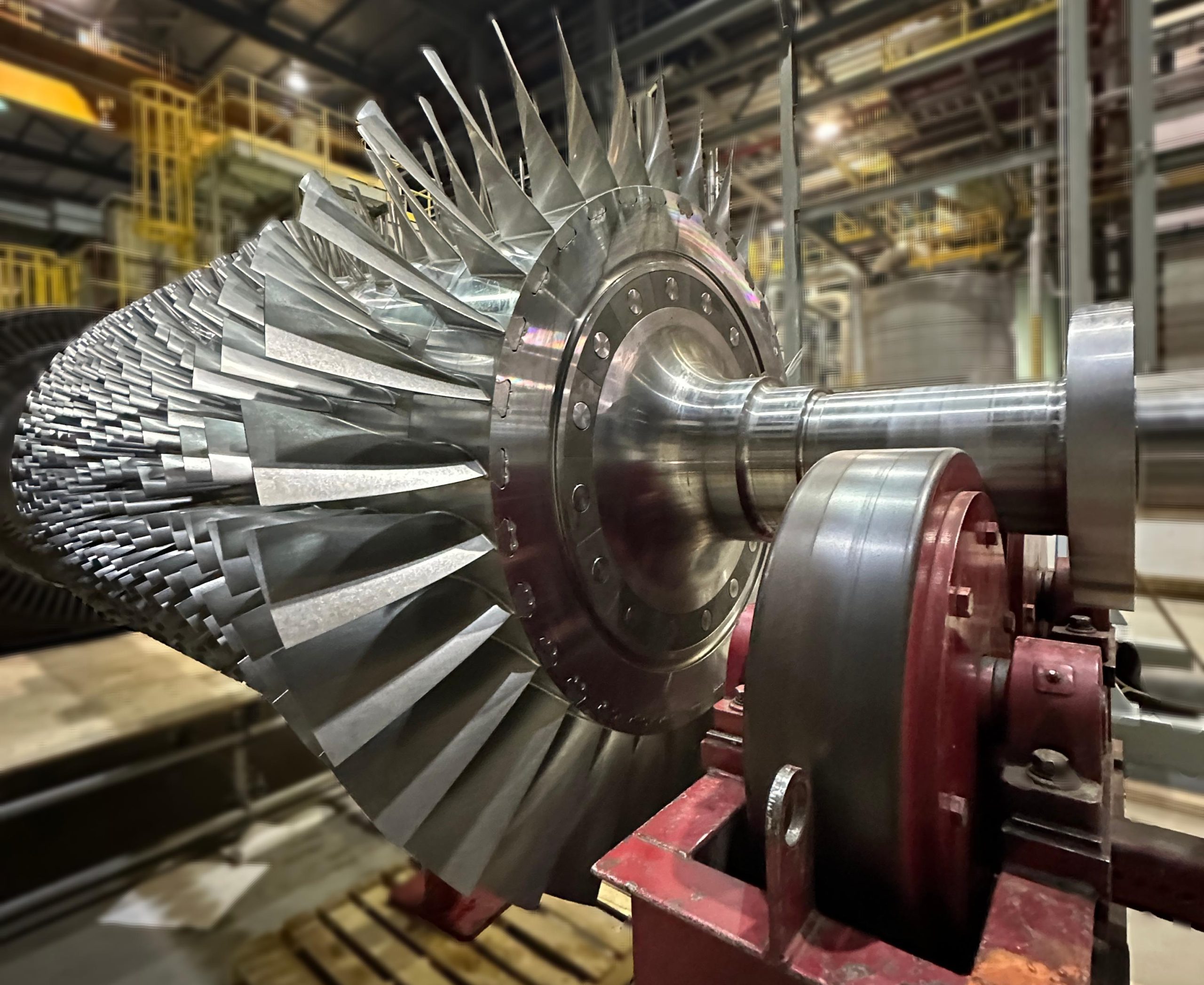
Eventually, every project that moves ahead has to leave the spreadsheet and become steel on a foundation. Sooner or later, a capital budget comes down to the physical machinery that generates and moves energy: wind, water, gas, and steam turbines that must be installed, diagnosed, maintained, and repaired, along with the heavy pumps and generators at the heart of power generation facilities. That is the moment when an investment plan turns into Millwright work, and when a project can build both energy infrastructure and the next generation of the trade.
Where skilled Millwrights are built
Developing the hands-on judgment required to install and service a turbine or align a heavy pump and generator set takes real work on real machinery. Classroom instruction provides an essential foundation, but most of an apprentice’s growth happens on active jobsites alongside experienced journeypersons. In Ontario, for example, an Industrial Mechanic (Millwright) apprenticeship generally involves 8,000 hours of combined workplace and school training over approximately four years: 720 hours in school and 7,280 hours on the job. Those workplace hours depend on active projects putting people to work on industrial equipment.
Seen that way, major energy investments are an opportunity to develop skilled tradespeople through the work itself. Every facility that moves into installation, commissioning, and maintenance creates the practical environment where apprentices gain experience under qualified supervision. As we have argued in explaining why the next project should help build the next workforce, delivering major projects and developing long-term trade capacity belong in the same conversation, and training deserves attention alongside equipment, budget, and schedule.
Building training into project delivery
For owners, contractors, and industry partners following Canadian energy investment, the practical move is to bring workforce development into project planning early. While schedules are taking shape, project teams can identify which turbines, pumps, and generators the scope involves, when that mechanical work falls in the schedule, and how crew composition can pair experienced journeypersons with apprentices on site.
That clarity belongs in procurement and partnership discussions as well. Owners and contractors can factor both experienced-crew requirements and apprentice-training expectations into how work is planned and tendered, making trade development part of project delivery from the outset.
If your organization is planning upcoming energy work, talk with the MRC while plans and schedules are being developed, and be candid about which dates or scope decisions remain provisional.
About the Millwright Regional Council
The Millwright Regional Council (MRC) is composed of twelve affiliated Local Unions of the United Brotherhood of Carpenters and Joiners of America (UBC) across Canada. The UBC Millwrights are vital partners in diverse industries such as energy, automotive, aerospace, food processing, and pharmaceuticals. ubcmillwrights.ca
For work force inquiries, please contact:
Andy Forsyth
VP Business Development
Millwright Regional Council
