
Where Millwrights Fit in an Automated Plant
A robotic arm moving through its cycle can look effortless. Watching a machine repeat the same path at speed makes it easy to assume that once automated equipment is bolted down and programmed, the hard mechanical thinking is finished.
Seeing a robot run, however, is different from working out why its performance has changed.
The discipline to test what the machine is doing
Inside an operating plant, automated equipment still behaves like physical machinery. Operating conditions change, heat builds in a joint over a run, and mechanical performance can shift without throwing a simple fault code. When that happens, jumping to the first plausible explanation can mean adjusting the wrong thing.
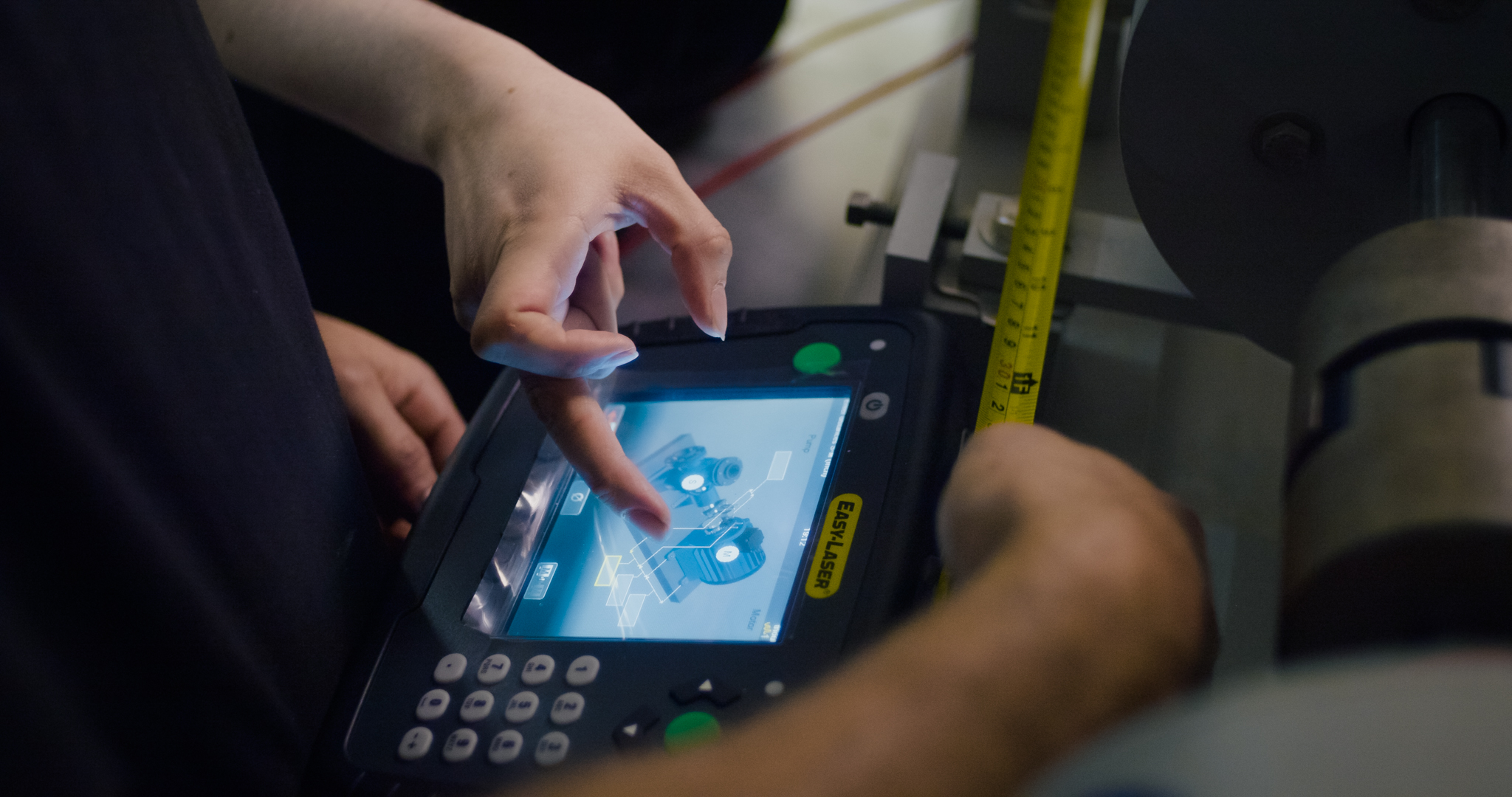
Working out what changed and why is skilled trade work. For a Millwright trained to diagnose robotic equipment, the investigation starts with gathering a clear description of the symptoms, inspecting the machinery, monitoring its operating condition, and testing performance against site and manufacturer specifications. It is disciplined troubleshooting grounded in how mechanical systems behave under real operating conditions.
That judgment also builds over time. Checking work orders, inspection reports, and monitoring records—and recording what a test ruled out as well as what it confirmed—gives the next investigation a factual baseline instead of a fresh round of guesswork.
Choosing who looks after the equipment
When plant owners and maintenance leaders evaluate automation, the machine’s movement gets most of the attention. Cycle rates and repeatability are easy to admire during a demonstration. The harder question for the life of the plant is who will stand in front of that equipment when its performance changes.
Even the most capable automated system depends on people who can observe a symptom, test an explanation against specifications, and understand what the machinery is telling them. When you are deciding how your automated equipment will be supported, talk with MRC about the Millwright skills your operation requires.
About the Millwright Regional Council
The Millwright Regional Council (MRC) is composed of twelve affiliated Local Unions of the United Brotherhood of Carpenters and Joiners of America (UBC) across Canada. The UBC Millwrights are vital partners in diverse industries such as energy, automotive, aerospace, food processing, and pharmaceuticals. ubcmillwrights.ca
For work force inquiries, please contact:
Andy Forsyth
VP Business Development
Millwright Regional Council
