

What UBC Millwrights bring
Skilled Millwrights for complex industrial work
UBC Millwrights work on the machinery and mechanical systems that keep industrial operations moving. Their training supports precision work across equipment installation, maintenance, repair, alignment, relocation, commissioning, shutdowns, and turnarounds.

Technical capability
Experienced Millwrights bring the mechanical knowledge and hands-on skill required to work with complex industrial equipment and systems.

Training that continues
Apprentices and experienced members build their skills through technical instruction, safety training, qualification programs, and practical jobsite experience.

Professional standards
UBC Millwrights are expected to work with a strong commitment to safety, reliability, respect, craftsmanship, and professionalism.

Local knowledge, national connection
MRC works with UBC Millwright Locals across Canada to support contractors, industry partners, and project needs in their regions.
Core capabilities
Capability for the work in front of you
UBC Millwrights support a wide range of installation, maintenance, precision, and specialized industrial work including supervision and planning roles:
Industries served
Experience across Canadian industries
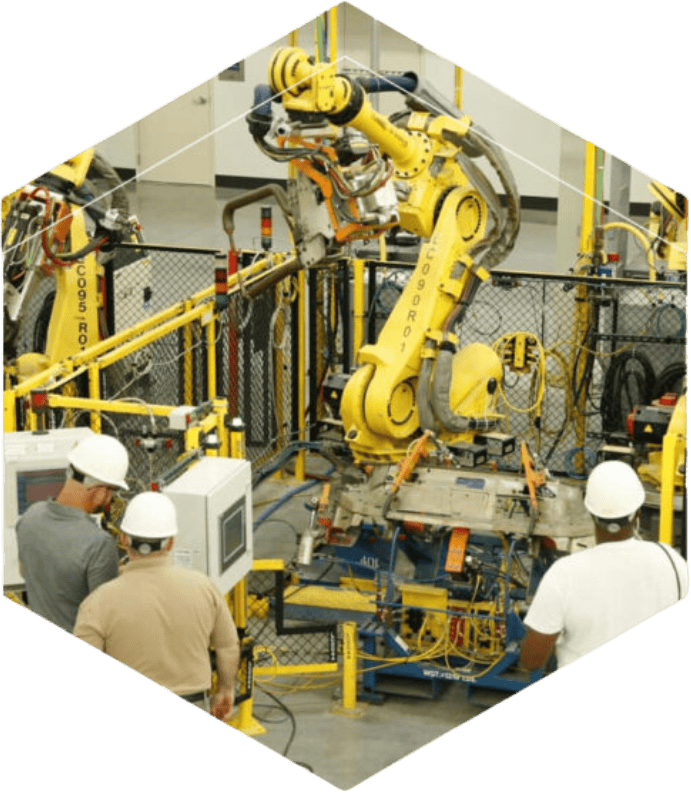
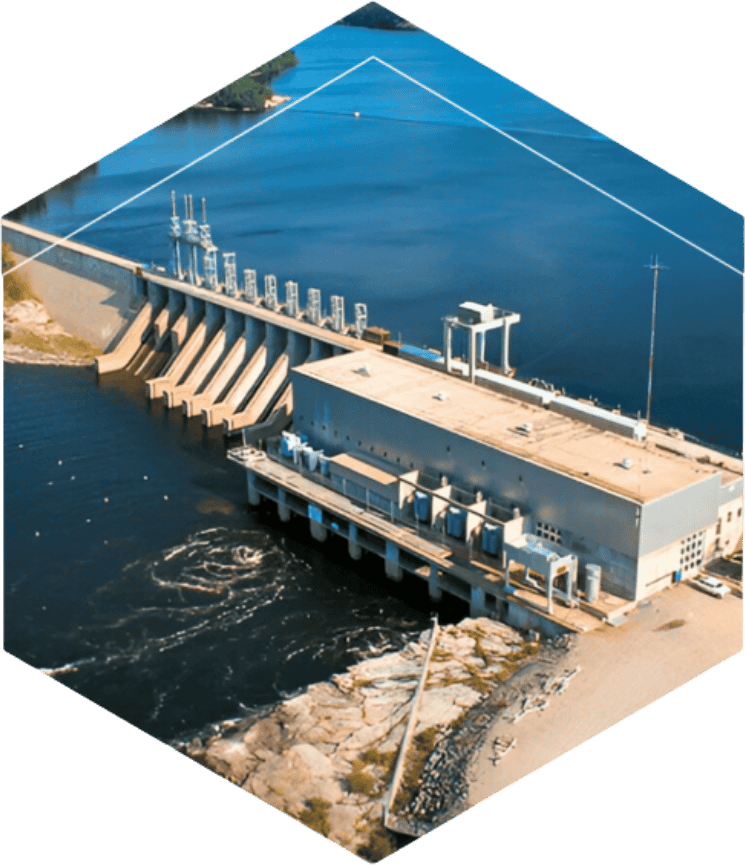
UBC Millwrights work across industries where equipment performance, precision, and safe execution matter.
Explore the sector most relevant to your project.





Training and standards
Trained for the work in front of them

The MRC and its Locals support the training UBC Millwrights need throughout their careers. This includes technical instruction, safety training, qualification programs, and skill development relevant to changing equipment and industry requirements.
The UBC Millwrights Standards set expectations for how members show up on the job: prepared to work safely, reliably, respectfully, and with care for the quality of the work.
- 1Technical instruction and practical skill development
- 2Safety training and qualification programs
- 3Expectations for reliability, respect, and craftsmanship
Workforce development and partnership
Build the workforce behind the project
Workforce planning includes preparing new people for the trade and developing the skills of experienced members. Explore how MRC can support that conversation through Introduction to Millwrighting and the UBC International Training Centre.
Introduction to Millwrighting
Develop a pathway around your workforce needs
Introduction to Millwrighting (ITM) is a flexible, partner-designed pathway that connects project owners to a skilled workforce and helps people from all communities prepare for entry into the Millwright trade.
The MRC works with Locals, employers, project owners, community organizations, training providers, and funders to align each cohort with real workforce demand.
- Connect community participation with project workforce needs.
- Combine hands-on learning, safety fundamentals, and union-entry preparation.
- Plan the cohort’s timing, curriculum, and participant supports with delivery partners.
UBC International Training Centre
See the training behind a professional workforce
Visit the UBC International Training Centre in Las Vegas to explore the technical training, leadership development, and industry collaboration that support UBC members throughout their careers.
Hands-on training environments include steam and gas turbines, conveyors, and mechatronics. Instructor development helps bring that knowledge back to training centres across North America.
- Explore technical skills for demanding work.
- Learn about communication, mentoring, and supervisory programs.
- Connect with MRC about how a visit relates to your workforce needs.
Choosing a workforce approach
How will you build the workforce behind your project?
Every project needs skilled people. The workforce model you choose shapes how those people are recruited, trained, supported, and connected to future work.
The non-union model
An employer recruits, hires, and develops its workforce directly. That model can work well for employers with the internal capacity to recruit, train, retain, and scale their skilled workforce.
The union model
A union partnership adds workforce infrastructure, including apprenticeship, skills development, access to a broader workforce, mobility between projects and regions, and planning around project demand.
Project planning
Talk with us early in your project planning
The earlier MRC understands your location, schedule, equipment, scope, and workforce needs, the better the conversation can be about training, specialization, and the appropriate next step.
- 1Project location
- 2Industry and type of facility
- 3Expected start date and schedule
- 4Equipment or systems involved
- 5Scope of work
- 6Anticipated workforce requirements
- 7Required qualifications or site-specific training
